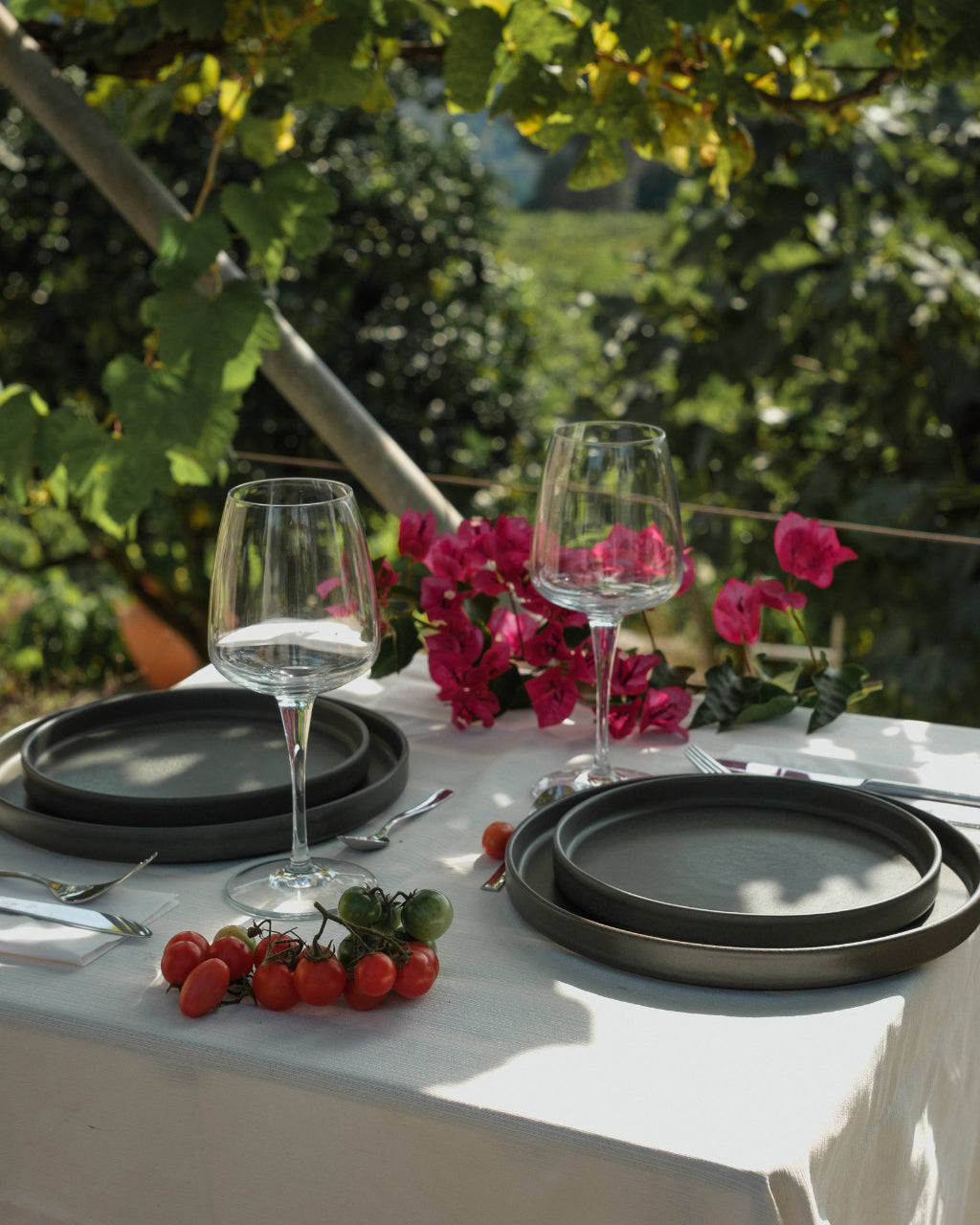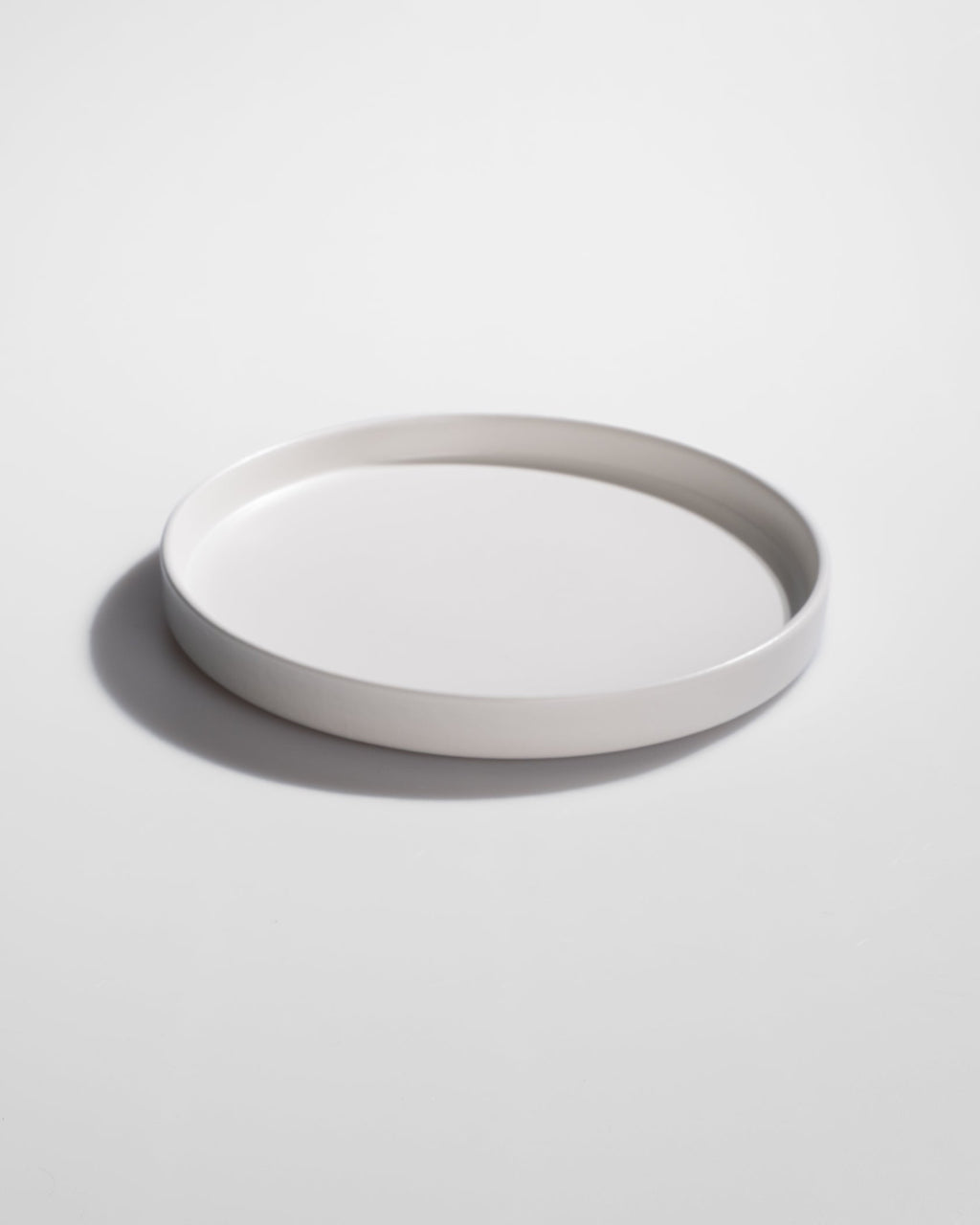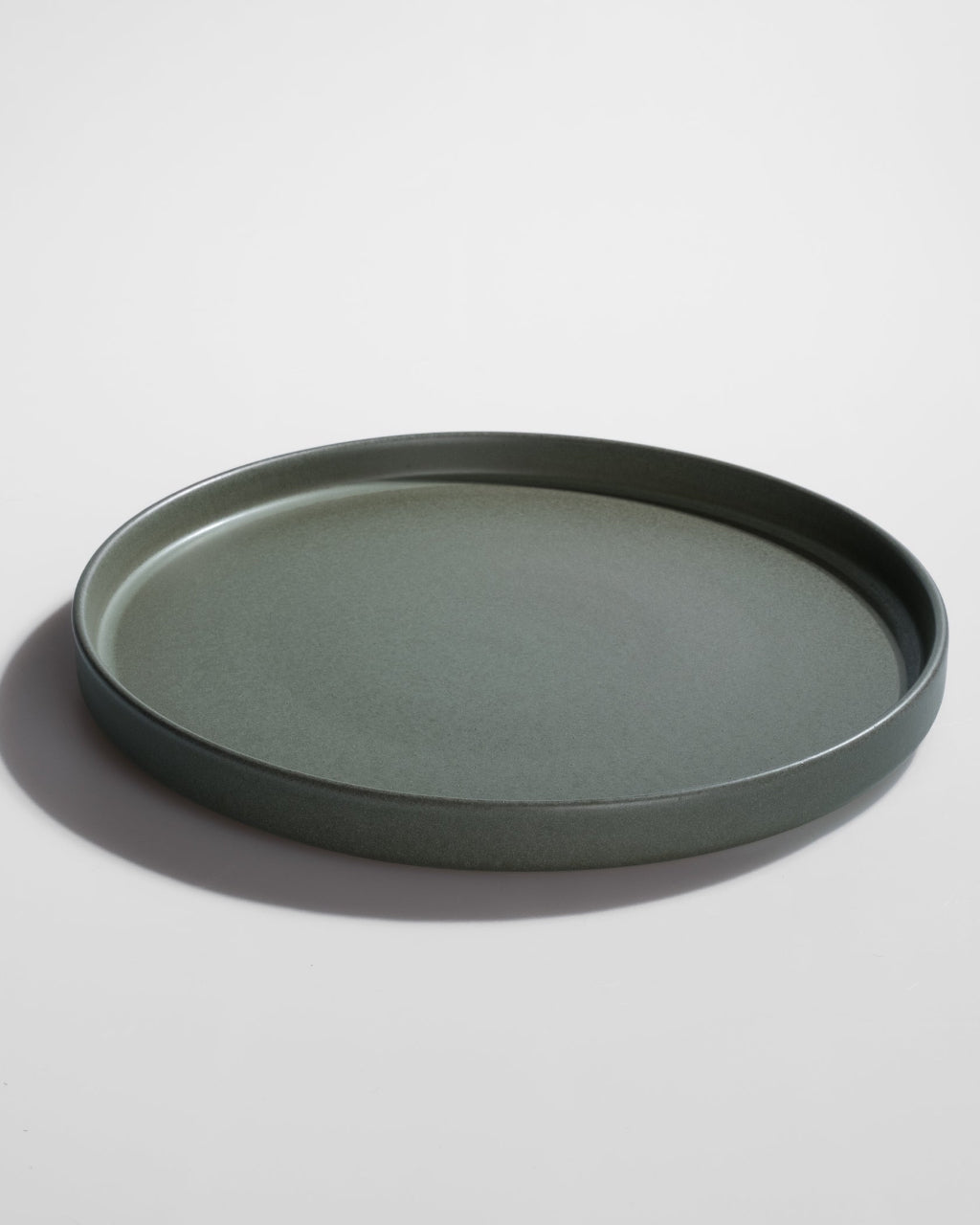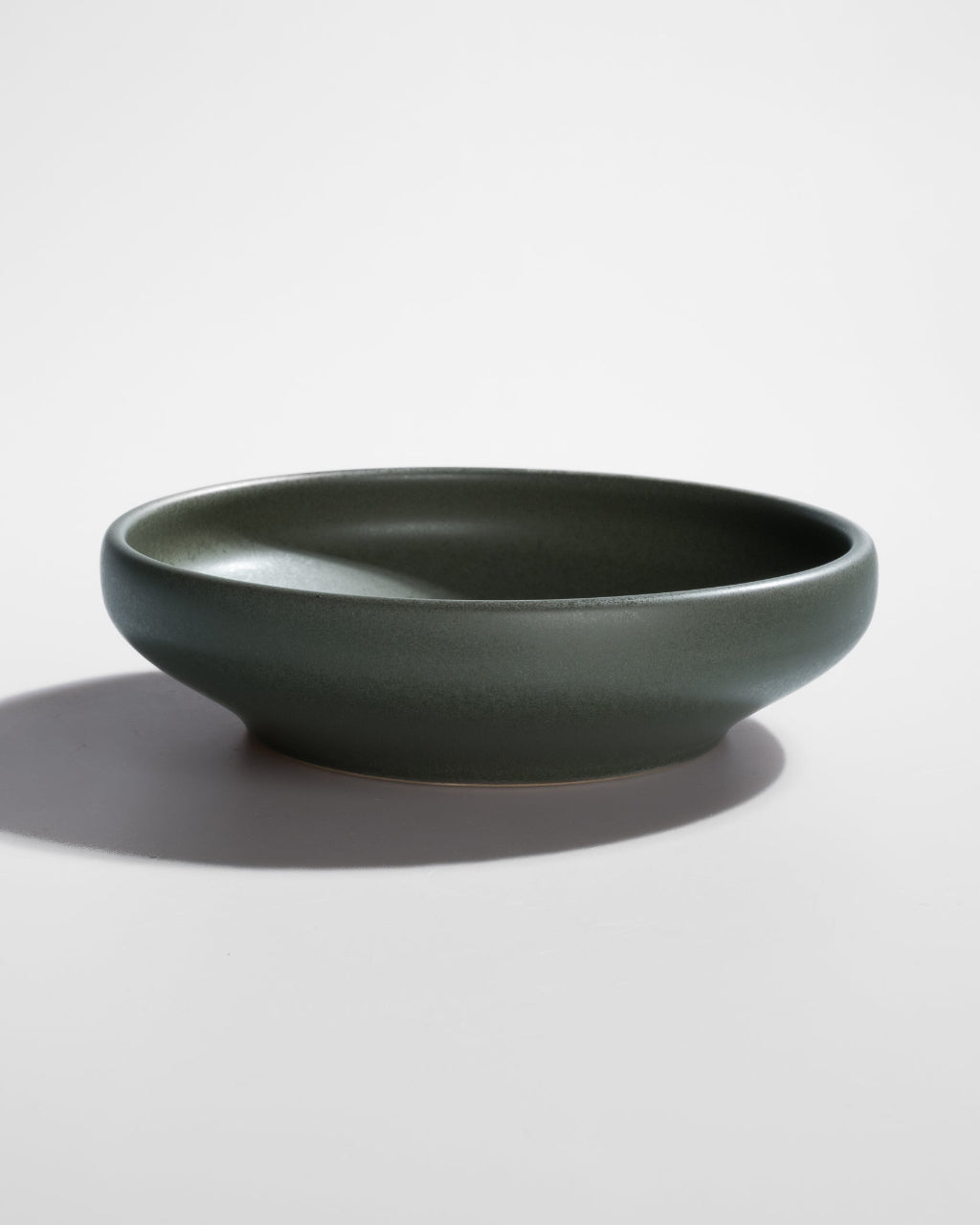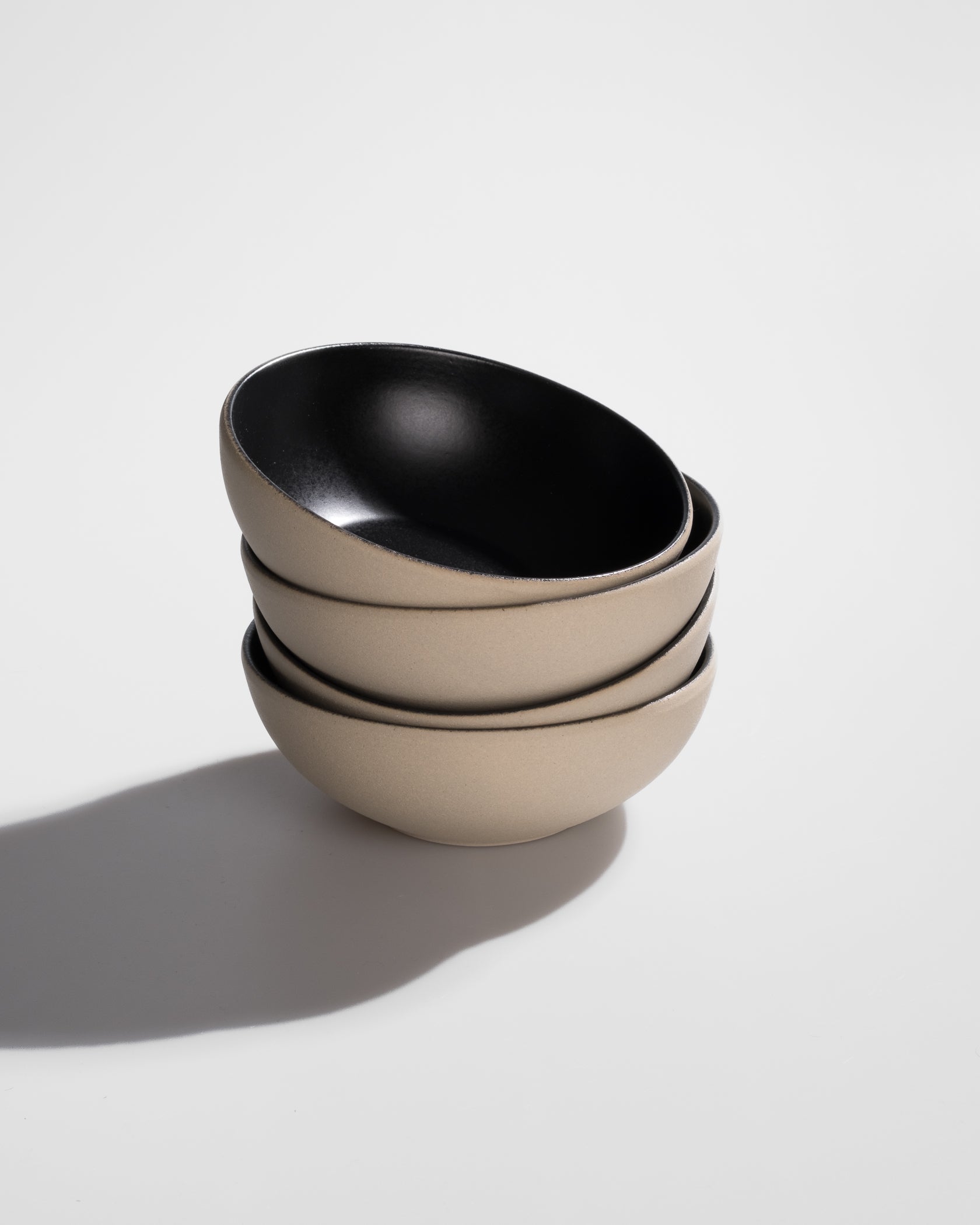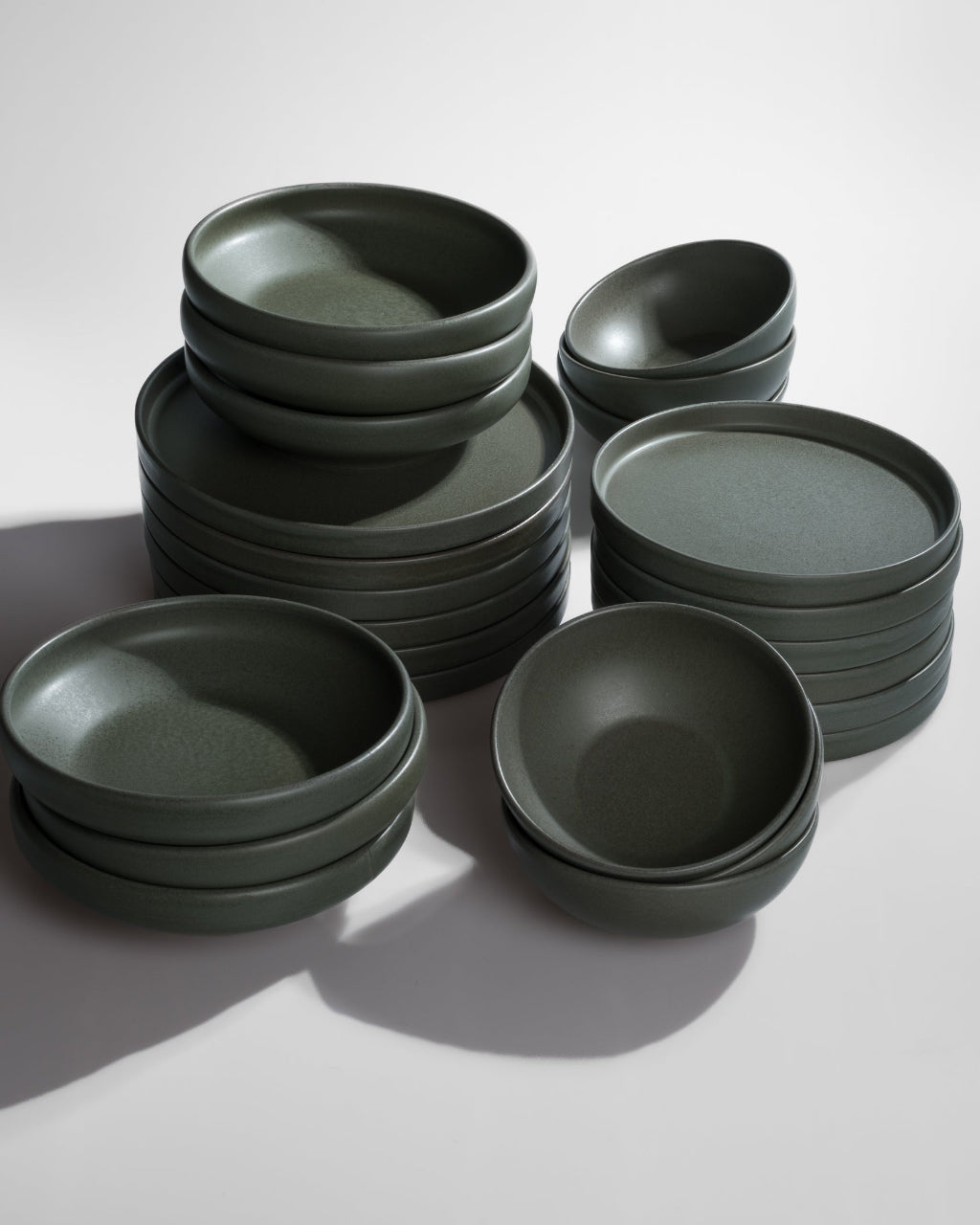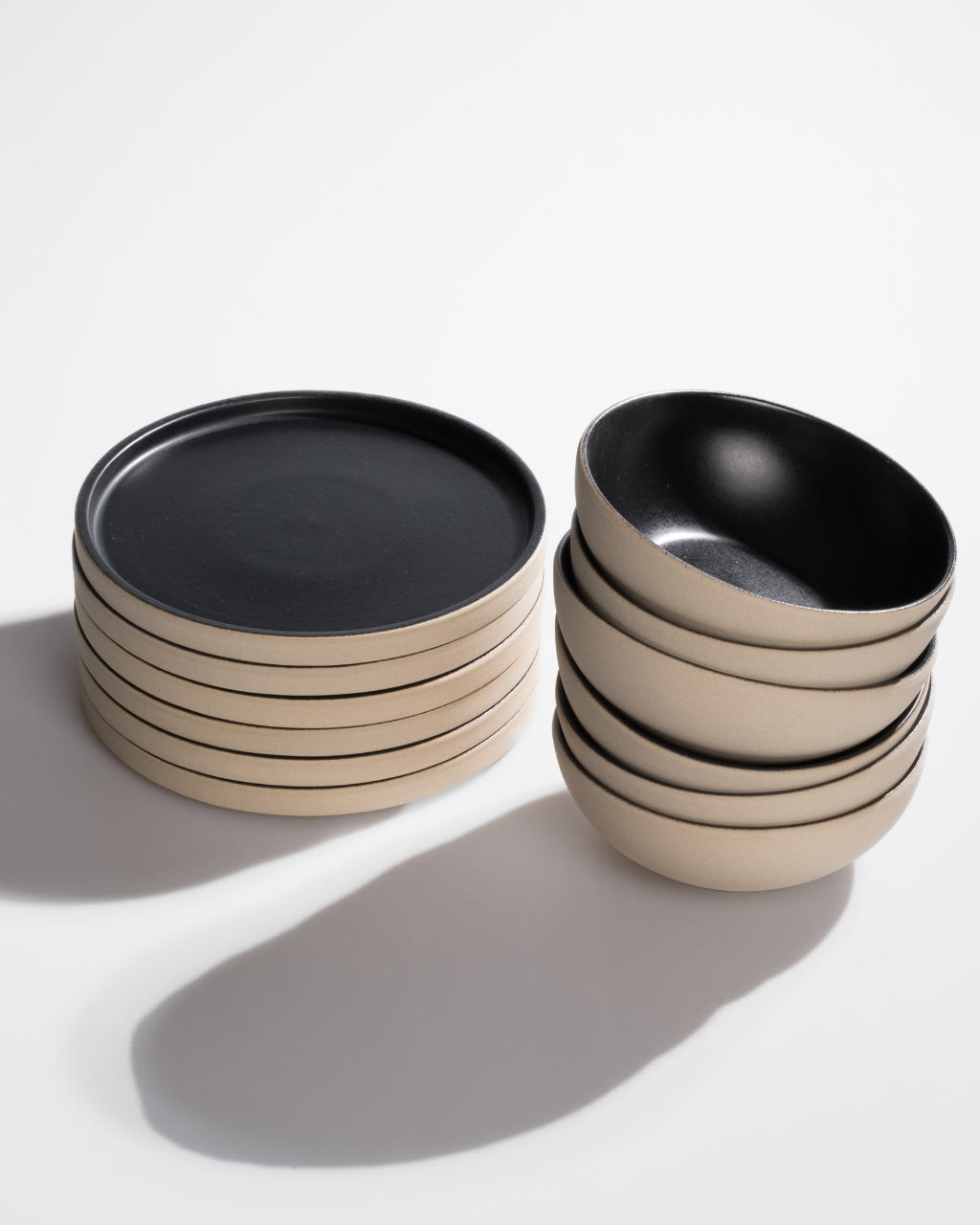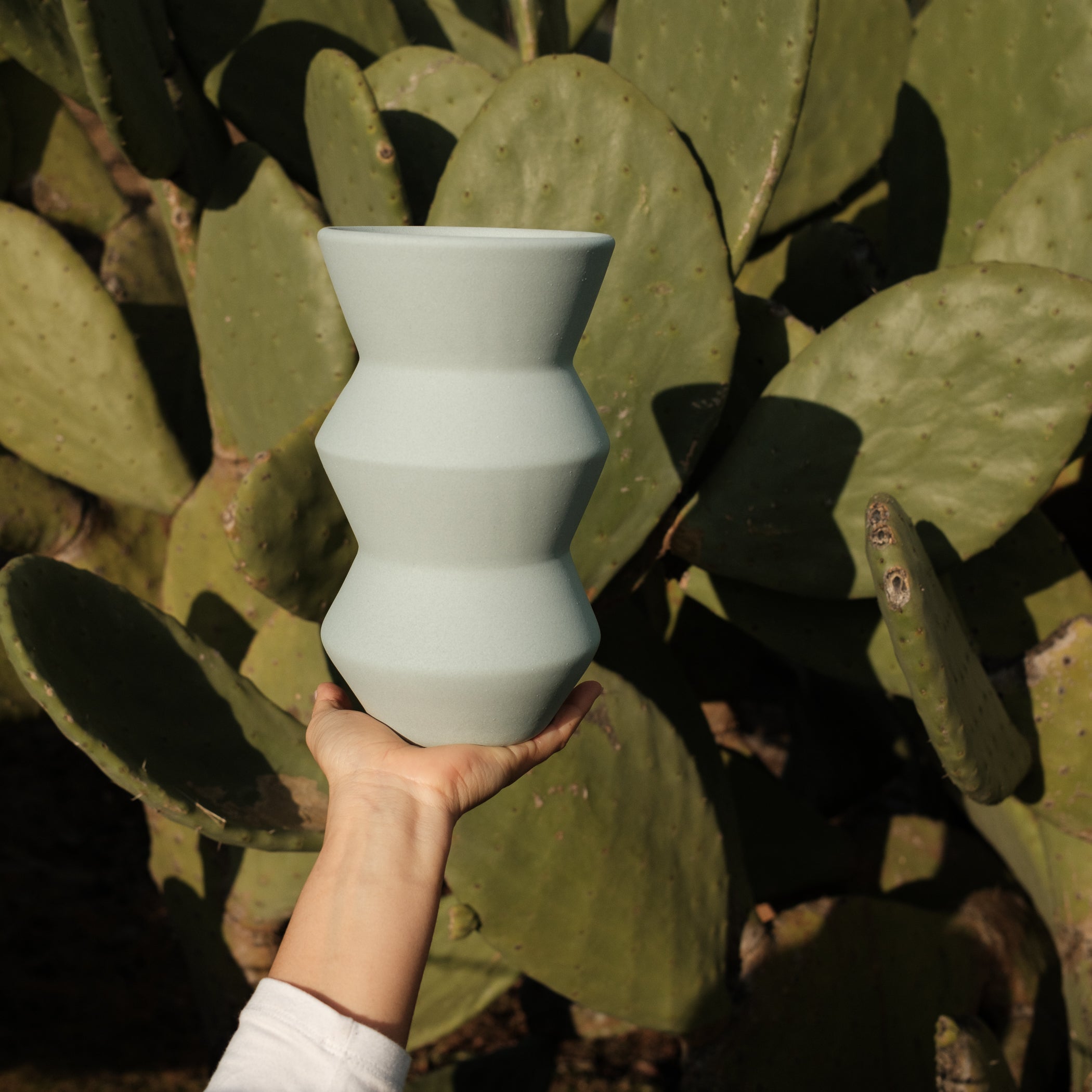


You know how much a beautifully crafted set of dishes can enhance your table and elevate every meal.
But if you’re here, it’s because you care about more than looks.
You want pieces that feel good in your hands, stand up to everyday use, and carry the touch of real craftsmanship.
At Botica Amano tableware isn’t just something you buy. It shapes your meals, your gatherings, and the small moments you look forward to at home.
And when it’s made well, it tells a story that only gets better with time.
So let’s take a closer look at what distinguishes high quality ceramics apart.
In this article, we will cover:
-
What is high-quality ceramic tableware?
-
Why invest in high-quality tableware?
-
4 pillars that determine high-quality ceramic tableware.

What is High-quality Ceramic Tableware?
When we talk about high-quality ceramic tableware, we aren't just using a marketing buzzword.
We are referring to a set of verifiable characteristics that ensure an item is durable, safe, and long-lasting.
In its simplest form, a high-quality ceramic piece remains structurally intact, chip-free, and beautiful through years of regular use.
Why invest in High-Quality Tableware ?
Choosing superior ceramics goes beyond luxury.
It’s a conscious decision rooted in a desire to stop replacing things that should simply last.
1. A Longevity Investment
We encourage you to shift your mindset from a single purchase price to a long-term investment.
A well-made ceramic set is designed to last a lifetime. When you divide the cost by decades of use, the annual cost is exceptionally low.
Additionally, low-quality pieces chip, crack, and become stained quickly.
You will find yourself replacing items frequently, and the cumulative cost of replacement often exceeds the cost of a single premium set.
2. Hygiene and Food Safety
 High-quality ceramics repel water and resist the absorption of food particles, oils, and detergents. This makes them significantly more hygienic and easier to sanitise.
Low-porosity means high resistance to staining from strong pigments like turmeric, balsamic vinegar, or coffee. Your spotless glazed white plates will remain that way for years.
3. Elevated Aesthetic

Superior ceramics often have a noticeable, pleasing weight and balance in the hand. This is a subtle tactile signal of the density achieved through high-temperature firing.
The perfectly coherent glaze of a quality piece feels luxurious to the touch and elevates the presentation of any meal, transforming a simple dinner into a memorable experience.
Family dinners, holiday gatherings, and quiet morning coffees. Investing in quality means investing in the enduring physical backdrop of these memories.
4. Environmental Responsibility and Sustainability
By choosing durable items, you reduce your contribution to landfill waste caused by broken, discarded tableware.
Also, high-quality ceramics are often made by artisans or companies committed to sustainable, less resource-intensive practices than mass-market producers. By supporting these brands, you’re encouraging responsible manufacturing and ethical sourcing.
To conclude, choosing high-quality ceramic is the smartest investment because : It lasts a lifetime, is more hygienic, more aesthetically pleasing, sustainable, and supports true craftsmanship.
Now that we know why quality matters, let's dive into how you can spot it.
The 4 Pillars That Determine Ceramic Quality
1. The Firing Temperature
If there’s one technical detail we want you to remember, it’s the firing temperature.
This step in the ceramic process is a key determinant of a piece's final quality, strength, and resilience.
The Science Behind the Heat:

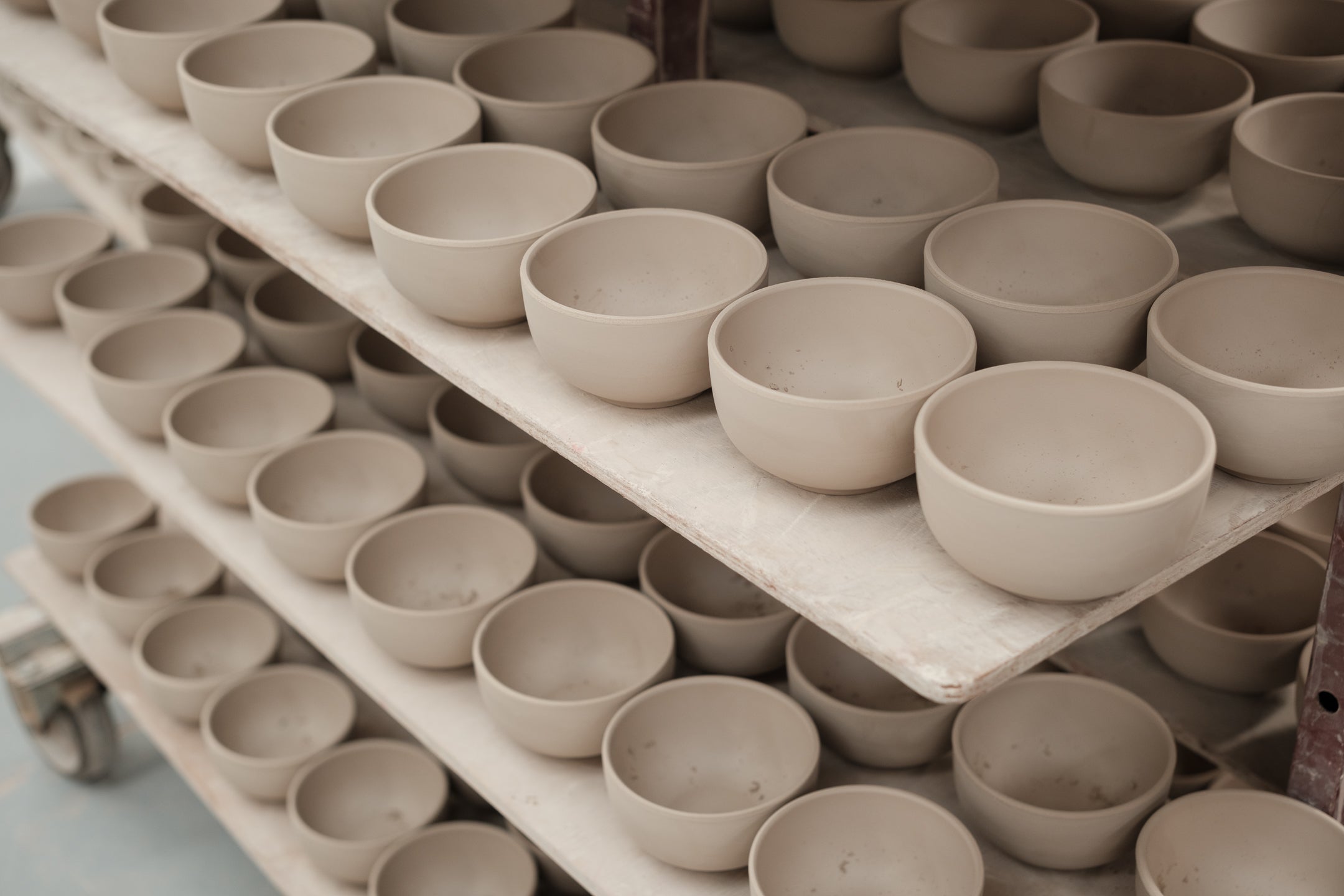
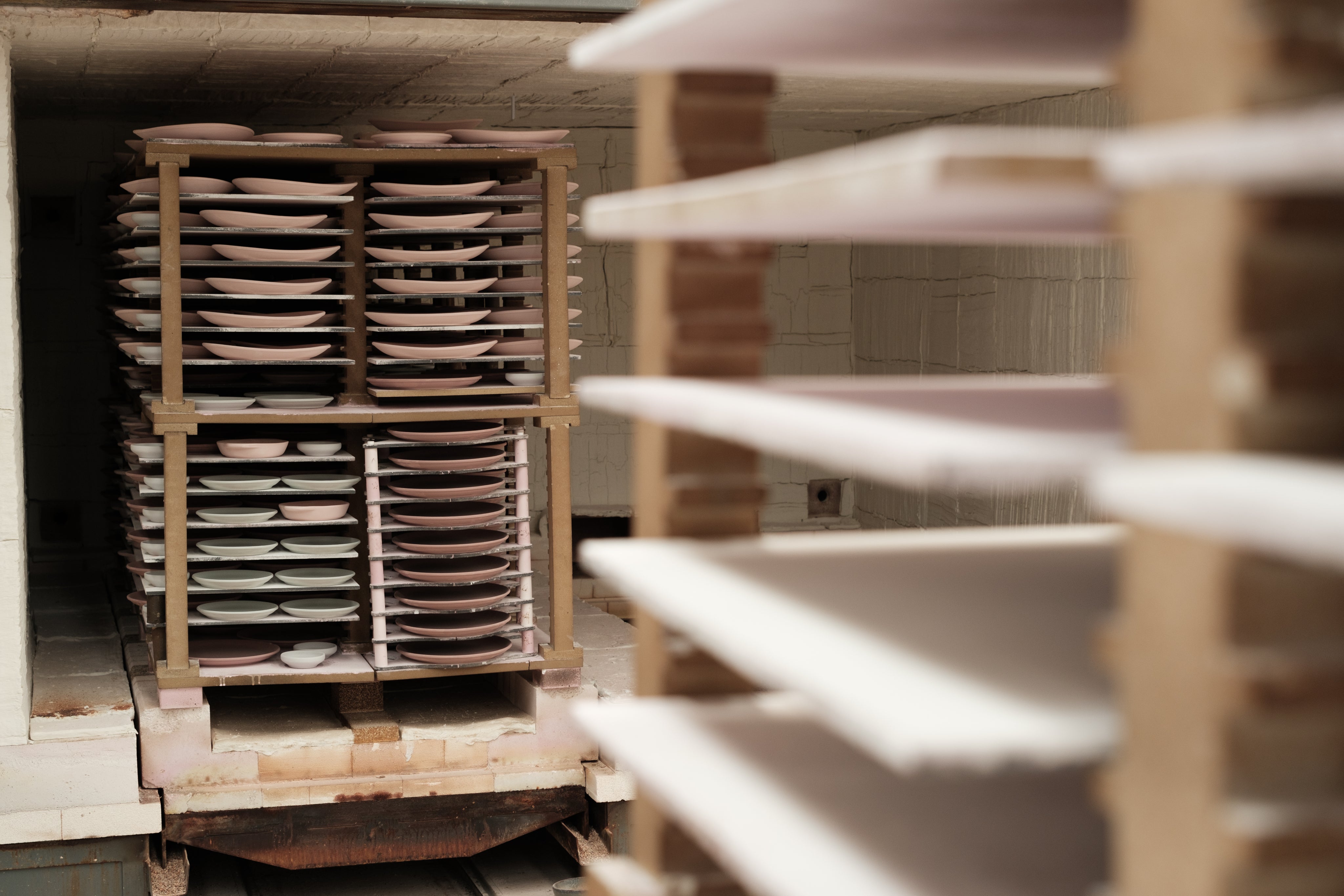
Before firing, ceramics must dry for several days to prevent cracking, and then they’re heated in a kiln.
During this firing, the silica melts and the clay transforms from a porous material into a strong, non-porous structure.
How does the temperature impact the quality of the final product?
-
Low Firing Temperatures: The final product remains relatively porous, often resulting in lower durability, a greater susceptibility to chipping, and a higher water absorption rate (more on that in a moment!).
-
High Firing Temperatures: This level of intense heat achieves maximum vitrification. The body of the ceramic becomes dense, hard, and non-porous. This is the hallmark of true stoneware (a material prized for its strength and longevity).
Our Commitment to High Heat:
We want to build your trust by being transparent about our process.
At Botica Amano, generally, for daily tableware, the firing is at 1280 degrees Celsius. This temperature may slightly vary based on the glaze, but the quality stays strong. This commitment makes our products last a lifetime in your home.
2. The Glaze
The glaze is the glass coating that gives the ceramic piece its final finish, whether glossy or matte. The glaze is more than just decoration; it protects the piece against the outside world.
2 things to look for in the glaze:
- Uniformity and Coherence: A high-quality glaze should be coherent and uniform. This means the thickness and texture are consistent across the entire surface.
A high-quality glaze should be coherent and uniform. This means the thickness and texture are consistent across the entire surface.
We recommend you checking pieces in natural light to make sure the overall finish feels balanced and intentional.
Small variations are part of the charm of handmade production. Small changes in tone or texture, especially on exposed clay, are normal. They show the natural character of the material.
-
The Absence of Crazing: “Crazing” is the fine cracks that sometimes appear in a ceramic glaze after firing. While sometimes intentional for decorative effect, for functional tableware, it’s a sign of incompatibility between the glaze and the clay body, or a sign of poor manufacturing.
Crazing compromises the hygiene and durability of the piece, as moisture and food particles can get into the cracks.
Handcrafted pieces will never look like identical factory dishes. That’s their beauty. The goal is always balance. You want a glaze that is consistent for durability. It should also reflect the authenticity and individuality of true artisan work.
3. Water Absorption Rate
What is Water Absorption?
Water absorption measures the amount of water a ceramic piece can absorb relative to its dry weight. The rate can be high or low.
-
High Absorption Rate: This means the ceramic body is highly porous. Which means it’s more prone to bacterial growth and absorbs liquid stains (like red wine, coffee, or oil). For functional tableware, a high rate means a shorter lifespan and poor hygiene. We want to avoid that!
-
Low Absorption Rate: This signifies a dense and closed clay structure. These pieces are durable, stain-resistant, and hygienic.
4. Handmade Craftsmanship vs. Mass Production
We've discussed the technical specifications: firing temperature, glaze, and absorption rate.
But achieving these high standards consistently, day after day, comes down to the difference between artisan craftsmanship and factory automation.
This isn't just a glamorous distinction; it’s a guarantee of longevity that machines simply cannot replicate.
The Artisan’s Advantage: The Eye, Hand, and Heart
Every piece is assessed by a skilled artisan at multiple stages. This level of control directly enhances the final quality and durability.
They shape each piece slowly using hand techniques and prepared molds. This lets the clay settle, compress, and gain strength naturally. Glazes are applied with the same patience, ensuring full, even coverage and long-lasting protection.
This careful, human-led process adds small differences. It creates balanced weight, firm edges, and strong resistance to chipping, cracking, and moisture.
The outcome is more than just a useful object. It’s a lasting piece of heritage. It’s created with intention, built to last, and shaped with quiet precision and care by the maker.
In contrast, mass-produced ceramics focus on speed. They use press-molding and fast machine-sprayed glazes. This method values quick consistency rather than quality coverage.
Not to mention, the clay bodies are usually mixed in big batches with industrial additives. This speeds up drying and firing times. As a result, the objects become standardized. They lack the strength and detail seen in carefully hand-built pieces.
Making the Conscious Choice

When you hold a piece of Botica Amano tableware, you can often feel the slight, intentional variations in weight and thickness. These are not flaws; they are the physical evidence of superior craftsmanship.
Years of experience guides the human hand. It instinctively strengthens areas that the machine treats in the same way.
The base may be slightly thicker for stability. The weight is also balanced for a comfortable, luxurious hand feel.
This focus on durability and human design is why a high-quality, handmade ceramic piece is more than just an item you use.
It’s a heritage that resists daily life and is passed down, carrying the memories of your table.
You are investing in a product where the craftsman’s pride ensures it will last longer than its mass-produced counterpart.
To sum up, these are what to look for in your ceramic tableware: High firing temperature, uniform glaze, low water absorption rate, and handmade craftsmanship.
Conclusion
The standard for high-quality ceramic tableware lies not only in its beautiful appearance: the matte texture, the rich colour, or the graceful form. But also, in the technical details behind it.
Firing temperature, glaze treatment, and water absorption rate are the critical, often unseen factors that control the lifespan, safety, and experience of your tableware.
We believe that you deserve tableware that mirrors that standard. Pieces that are resilient enough for daily life yet refined for your most cherished gatherings.
By understanding the commitment to high heat and low absorption that goes into our ceramics, you are not just buying dishes; you are making an informed, conscious investment in quality that will enrich your home for years to come.
Now that you know the how and why behind our quality, see the craftsmanship for yourself.
Explore the Botica Amano Collection today.